

Do you have persistent, throbbing toothache? Then the nerve in your tooth may be inflamed. With a root canal treatment, we remove that inflammation. This way, you can save the tooth. At naiida Tandartsen, we take our time with this. We ensure you are properly anesthetized and explain every step before we begin. A well-executed treatment is successful in most cases.
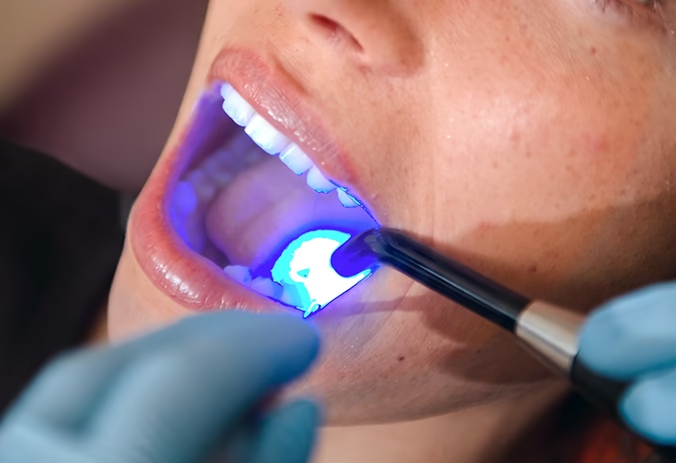
Inside your tooth is soft tissue called the pulp. The nerve and blood vessels run through it. If this tissue becomes inflamed or infected, pain often results.
This can be caused by a deep cavity, a crack in the tooth, or a blow. The inflammation will not go away on its own. Without treatment, the tooth may eventually be lost.
With a root canal treatment, we remove the inflammation and keep the tooth in place.
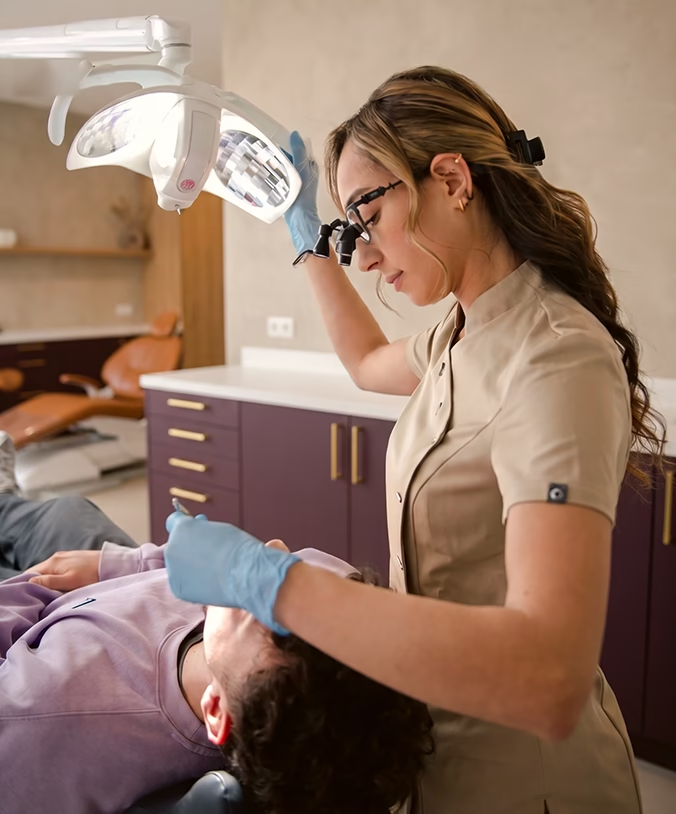
These symptoms may indicate a problem with the pulp. Do you recognize one or more of them? Then make an appointment, even if the pain subsides in between.
We work in steps. You always know what is happening. If you don't like something, we stop.
Usually, you are finished in one to two appointments. Such an appointment lasts 60 to 90 minutes. How much time it takes depends on the number of root canals and how complex the tooth is.
Sometimes we place medication in the tooth first and complete the treatment during a second appointment. We will discuss this with you beforehand.
A well-performed root canal treatment is successful in most cases. The tooth can often last for years afterward, sometimes decades.
We cannot guarantee the result. Every tooth and every inflammation is different. We will tell you honestly what you can expect in your situation.
Many people dread a root canal treatment. We understand that. At naiida Tandartsen, you can let us know what you are apprehensive about. We adjust our pace accordingly.
Raise your hand, and we will stop immediately. If you prefer more relaxation, you can opt for a foot massage or a VR headset beforehand. Read more on our page about anxiety counseling.
Sometimes a root canal is particularly complex, for example with narrow or curved canals. For these complex treatments, we collaborate with a specialized dentist. We then make a targeted referral. This ensures you receive the right care in the right place.
No, thanks to the anesthetic, you will feel little to nothing during the treatment. It is actually the inflammation before the treatment that causes pain. We remove that. With severe inflammation, administering anesthesia is sometimes more difficult. In that case, we take our time and constantly check whether you are properly anesthetized.
A root canal treatment falls under regular dental care. The rates are set by law by the NZa. The price depends on the number of root canals. More canals mean more work. On our rates page you will find the current amounts and information about reimbursement.
Usually not. Keeping your own tooth is almost always better than having one extracted. Your own tooth keeps the jaw strong and allows for natural biting. Extraction leaves a gap that you often want to fill later. We will discuss together what suits your situation best.
A treated tooth is more brittle than a healthy tooth. Tissue has been removed, and the tooth no longer receives nourishment via the nerve. A crown protects the tooth from breaking, so it lasts longer. We only recommend this if it is truly necessary.
Often years, sometimes decades. That depends on the tooth and your oral care at home. Brushing well and coming for check-ups help enormously. A crown on the tooth provides extra protection. We cannot give a firm guarantee; that would not be fair.

Written and medically reviewed by Naouel Alberga, dentist and owner of Naiida Tandartsen.


